

Grant funding for nonprofits is one of the most valuable financial resources available to organizations seeking to expand their impact and serve their communities more effectively. Unlike loans, grants do not typically require repayment, making them an attractive source of funding for nonprofit organizations of all sizes. Whether a nonprofit focuses on education, healthcare, environmental conservation or community development, securing grants can provide the financial stability needed to achieve long-term goals. Organizations that understand how grants work and develop strong funding strategies are often better positioned to grow their programs and increase their community impact.
Why Grant Funding Matters for Nonprofit Organizations
Nonprofits frequently face financial challenges as they work to deliver essential services while maintaining operational sustainability. Grant funding offers a reliable way to support projects, hire staff, purchase equipment and expand services without creating debt. Many foundations, corporations, and government agencies allocate significant resources to nonprofit initiatives that align with their missions. By obtaining grants, organizations can focus more on delivering meaningful outcomes and less on fundraising pressures. This financial support enables nonprofits to invest in innovation, strengthen infrastructure and create measurable social change that benefits the communities they serve.
Identifying the Right Grant Opportunities
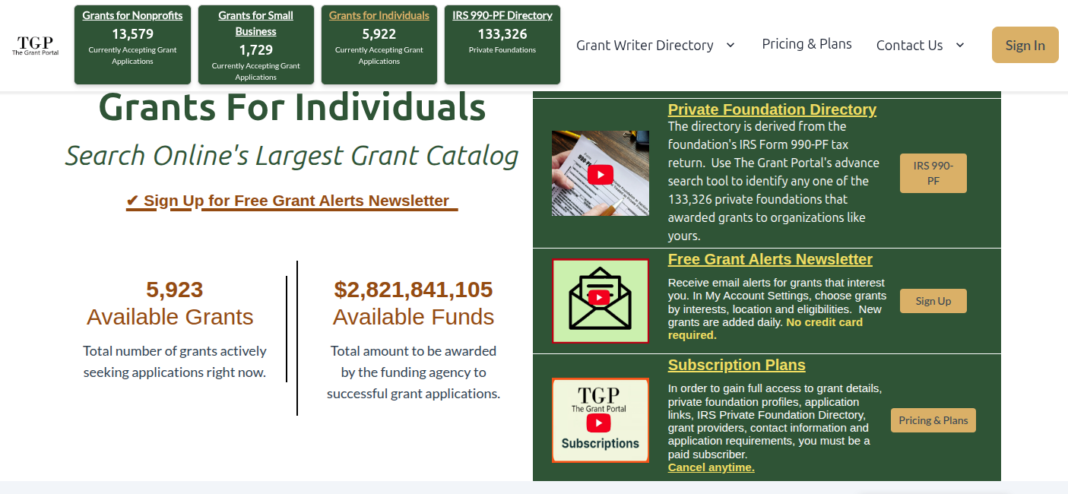
Finding suitable grant opportunities is a critical step in the funding process. Successful nonprofits dedicate time to researching grantmakers whose priorities align with their mission and objectives. Online resources such as The Grant Portal, available at The Grant Portal, provide comprehensive databases of funding opportunities from government agencies, foundations and corporate sponsors. By targeting grants that closely match organizational goals, nonprofits can improve their chances of success and avoid wasting valuable resources on applications that are unlikely to receive funding. Strategic research lays the foundation for a strong grant-seeking program.
Building a Strong Grant Proposal
A compelling grant proposal serves as the cornerstone of successful funding applications. Grantmakers want to understand the organization’s mission, the problem being addressed and the expected outcomes of the proposed project. Effective proposals include clear objectives, detailed budgets, measurable performance indicators and evidence supporting the project’s importance. Nonprofits should focus on presenting accurate data and compelling stories that demonstrate their ability to deliver meaningful results. A well-crafted proposal not only communicates need but also inspires confidence in the organization’s capacity to manage grant funds responsibly and effectively.
Demonstrating Organizational Credibility
Grant funders often evaluate the credibility and capacity of applicants before making funding decisions. Nonprofits can strengthen their applications by highlighting previous achievements, financial transparency, leadership experience and community partnerships. Providing evidence of successful program implementation and responsible financial management reassures funders that their investment will be used wisely. Organizations that maintain detailed records, publish annual reports and consistently measure outcomes often stand out in competitive grant processes. Demonstrating accountability and professionalism can significantly improve funding prospects and foster long-term relationships with grantmakers.
The Role of Strategic Planning in Funding Success
Strategic planning plays an essential role in securing and managing grant funding. Nonprofits that align grant requests with long-term organizational objectives are better equipped to demonstrate sustainability and impact. Funders increasingly seek organizations with clear visions, realistic goals and comprehensive implementation plans. Strategic planning helps nonprofits identify funding priorities, allocate resources effectively and evaluate progress toward desired outcomes. By integrating grant-seeking efforts into broader organizational strategies, nonprofits can create a more sustainable approach to financial growth and mission fulfillment.
Common Challenges in Grant Funding
While grants offer significant benefits, the process of obtaining them can be highly competitive and time-consuming. Many nonprofits struggle with limited staff capacity, insufficient research resources or difficulty articulating program outcomes. Additionally, grant requirements often vary considerably between funders, requiring customized applications for each opportunity. Organizations can overcome these challenges by investing in grant writing skills, developing strong internal processes and maintaining organized documentation. Persistence and continuous improvement are essential for building a successful grant funding program that delivers consistent results over time.
Leveraging Technology for Grant Research
Modern technology has transformed the way nonprofits identify and pursue funding opportunities. Online grant databases, research tools and management software streamline the application process and help organizations track deadlines and reporting requirements. Platforms like The Grant Portal provide access to thousands of active funding opportunities, allowing nonprofits to search efficiently and focus on grants that match their mission. By embracing technology, organizations can save time, improve accuracy and increase their ability to compete for funding in an increasingly complex philanthropic landscape.
Strengthening Relationships with Grantmakers
Building strong relationships with funders can significantly enhance future funding opportunities. Successful nonprofits engage with grantmakers beyond the application process by providing regular updates, sharing success stories and demonstrating accountability through detailed reporting. Establishing trust and maintaining open communication can lead to renewed funding, strategic partnerships and valuable networking opportunities. Funders appreciate organizations that are transparent, responsive and committed to achieving meaningful outcomes. Relationship-building should be viewed as an ongoing component of a comprehensive grant funding strategy rather than a one-time activity.
Measuring Impact and Reporting Results
Grantmakers increasingly prioritize measurable outcomes and evidence-based results when evaluating nonprofit performance. Organizations should establish clear metrics to assess program effectiveness and demonstrate the impact of funded initiatives. Accurate data collection, regular evaluation, and transparent reporting help nonprofits showcase achievements and identify areas for improvement. Strong reporting practices not only satisfy grant requirements but also strengthen organizational credibility and support future funding applications. Demonstrating measurable impact is often a key factor in securing continued financial support from both existing and new funders.
Transforming Mission into Sustainable Growth
Grant funding for nonprofits remains one of the most effective ways to secure resources for meaningful community impact and organizational development. By conducting thorough research, developing strong proposals, maintaining transparency and leveraging resources such as The Grant Portal, nonprofits can improve their ability to access critical funding opportunities. Long-term success depends on strategic planning, relationship-building and a commitment to demonstrating measurable outcomes. Organizations that embrace these best practices can transform financial support into sustainable growth, allowing them to expand their mission, strengthen their services and create lasting positive change for the communities they serve.


