
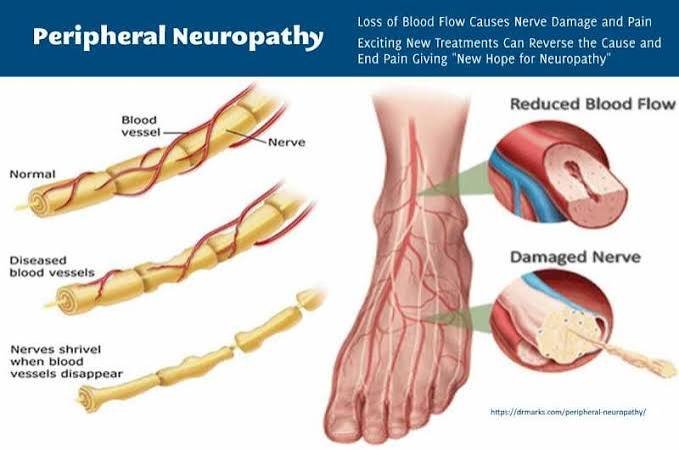

Living with burning, tingling, numbness, or unexplained weakness can significantly affect daily life. These symptoms may be associated with peripheral neuropathy, a condition involving damage or dysfunction of nerves outside the brain and spinal cord. Finding a qualified peripheral neuropathy specialist California patients can rely on is an important step toward identifying the underlying cause and developing an appropriate management plan.
At Advanced Associates In Neurology, patients can seek neurological expertise for symptoms affecting the peripheral nervous system. A thorough evaluation can help determine whether symptoms are related to neuropathy and what diagnostic or treatment options may be appropriate.
What Is Peripheral Neuropathy?
Peripheral neuropathy occurs when peripheral nerves become damaged or do not function normally. These nerves carry signals between the brain, spinal cord, muscles, skin, and internal organs.
Depending on the nerves involved, symptoms can include:
- Tingling or “pins and needles”
- Burning or shooting pain
- Numbness in the feet or hands
- Increased sensitivity to touch
- Muscle weakness
- Balance difficulties
- Reduced ability to sense temperature or pain
Symptoms can develop gradually or appear more suddenly. Because many conditions can cause similar symptoms, professional neurological evaluation is important.
Why See a Peripheral Neuropathy Specialist California Patients Trust?
Peripheral neuropathy can have many possible causes. A neurologist specializing in nerve disorders can assess symptoms from a neurological perspective and help determine what additional testing may be useful.
Identifying the Underlying Cause
Peripheral neuropathy may be associated with diabetes, certain nutritional deficiencies, autoimmune disorders, infections, medication effects, alcohol exposure, inherited conditions, or other medical problems. In some cases, the exact cause may remain unclear.
A specialist can review the patient’s medical history, medications, symptoms, and risk factors to guide the diagnostic process.
Developing an Individualized Care Plan
Neuropathy does not affect everyone in the same way. Treatment depends on the underlying cause, symptoms, severity, and overall health.
A personalized care plan may focus on treating the underlying condition, managing discomfort, improving function, and reducing the risk of complications.
Common Types of Peripheral Neuropathy
Understanding the type of nerve involvement can help explain symptoms and guide evaluation.
Diabetic Peripheral Neuropathy
Diabetes is a common cause of peripheral nerve damage. High blood sugar over time can contribute to nerve dysfunction, often affecting the feet and legs first.
Peripheral Neuropathy Related to Nutritional Deficiencies
Certain vitamin deficiencies, including vitamin B12 deficiency, can contribute to neurological symptoms. Identifying and correcting an underlying deficiency may be part of treatment when appropriate.
Medication- or Treatment-Related Neuropathy
Some medications and medical treatments can affect peripheral nerves. A specialist can review medications and determine whether symptoms may be treatment-related.
Idiopathic Peripheral Neuropathy
Sometimes extensive evaluation does not identify a specific cause. This is often described as idiopathic neuropathy. Even when the cause is uncertain, symptom management and monitoring can still be important.
How a Peripheral Neuropathy Evaluation Works
When searching for a peripheral neuropathy specialist California patients may benefit from understanding what an evaluation involves.
Step 1: Review Symptoms and Medical History
The neurologist will ask about when symptoms started, where they occur, how they have changed, and factors that make them better or worse.
Information about diabetes, medications, family history, alcohol use, previous illnesses, and other health conditions may also be relevant.
Step 2: Perform a Neurological Examination
A neurological examination may assess sensation, muscle strength, reflexes, coordination, and balance. The findings can help identify patterns of nerve involvement.
Step 3: Consider Diagnostic Testing
Depending on the clinical situation, additional tests may be recommended. These can include blood tests, nerve conduction studies, electromyography (EMG), or other diagnostic evaluations.
Not every patient needs every test. The appropriate evaluation depends on the individual’s symptoms and medical history.
Step 4: Establish a Management Strategy
After reviewing the findings, the specialist can discuss potential causes and appropriate management options. Follow-up may be recommended to monitor symptoms and treatment response.
Benefits of Working With a Neurology Specialist
Choosing specialized neurological care can offer several advantages.
Accurate evaluation: Neuropathy symptoms can overlap with other neurological or medical conditions. A detailed evaluation helps narrow down possible causes.
Personalized management: Treatment can be tailored according to the cause, symptoms, and patient’s individual circumstances.
Ongoing monitoring: Neurological conditions may require follow-up to assess progression and response to management.
Education and guidance: Patients can learn about symptom management, lifestyle considerations, safety precautions, and when additional evaluation may be necessary.
Practical Tips for Managing Neuropathy Symptoms
Professional care is important, but daily habits can also support overall nerve health.
- Follow treatment recommendations consistently.
- If you have diabetes, work with your healthcare team on appropriate blood glucose management.
- Maintain a balanced, nutritious diet.
- Avoid excessive alcohol consumption.
- Exercise according to your healthcare professional’s recommendations.
- Check numb areas, particularly the feet, for injuries or skin changes.
- Wear properly fitting, supportive footwear.
- Report new or worsening weakness, balance problems, or significant changes in sensation to your healthcare provider.
Patients should avoid starting supplements or changing medications without discussing them with a qualified healthcare professional.
When Should You See a Specialist?
Persistent numbness, tingling, burning pain, unexplained weakness, or balance problems should not simply be ignored. Early evaluation may help identify an underlying condition and determine appropriate next steps.
Seek urgent medical attention for sudden neurological symptoms such as sudden weakness, facial drooping, difficulty speaking, severe sudden headache, or sudden loss of coordination, as these can indicate a medical emergency.
FAQs About Peripheral Neuropathy
What does a peripheral neuropathy specialist do?
A peripheral neuropathy specialist evaluates symptoms related to peripheral nerve dysfunction, investigates potential causes, recommends appropriate diagnostic testing, and develops a management plan based on the patient’s condition.
Can peripheral neuropathy be treated?
Treatment depends on its cause. Some underlying causes can be addressed directly, while other cases focus on managing symptoms, protecting nerve function, and improving quality of life.
Is numbness in the feet always caused by neuropathy?
No. Foot numbness can have several causes, including nerve compression, circulation problems, spinal conditions, metabolic disorders, and peripheral neuropathy. A medical evaluation is needed to determine the likely cause.
Conclusion
Finding the right peripheral neuropathy specialist California patients can turn to is an important step when persistent nerve symptoms interfere with comfort, mobility, or everyday activities. A comprehensive neurological evaluation can help identify potential causes, determine whether further testing is appropriate, and establish an individualized approach to care.
Advanced Associates In Neurology provides specialized neurological expertise for patients seeking evaluation and guidance for nerve-related symptoms. If you are experiencing persistent numbness, tingling, burning pain, or weakness, consider discussing your symptoms with a qualified neurologist to determine the most appropriate next step.


