


My back aches. I just spent eight hours staring at a commercial shredder that sounds like a jet engine chewing on gravel. The air in my shop smells like burnt ozone and metallic dust. It sticks to your sweat. I’ve been doing this for over 15 years right here in the United States. And honestly? I am so tired of people getting this wrong. Let’s talk about hard drive destruction. Not the polite, corporate brochure version. The real version. Because if you think dragging files to a little trash can icon keeps you safe, you are out of your mind. Total delusion.
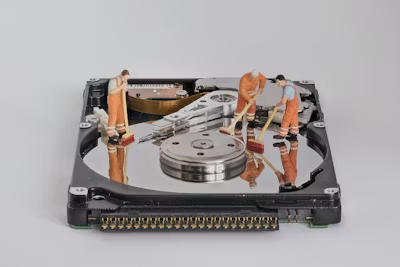
Stop Trusting Software With Your Data
People ask me all the time if formatting a drive is enough. No. Emphatically no. I once bought a “wiped” drive off a local guy just to prove a point to a stubborn client. Took me twenty minutes to pull up the previous owner’s tax returns. Twenty minutes. A cheap recovery program bypassed their basic format like it was wet tissue paper.
Here’s the thing. Software wipes leave ghosts. Traces. Shadow data. You want absolute peace of mind? You need physical damage. Shards of metal. Ripped plastic.
The Sound of Crushing Platters
When I feed a drive into our industrial shredder, the noise is deafening. A high-pitched squeal followed by a heavy, satisfying crunch. That is the sound of your bank details turning into confetti. Beautiful. You cannot recover data from aluminum flakes.
But wait. Don’t go grabbing a hammer from your garage. I’ve seen guys try that. They dent the casing, bruise their thumbs, and leave the platters completely intact inside. Absolute amateur hour. You need a professional. Someone who actually knows the tensile strength of these casings.
My Favorite Toys Inside The Shop
You want to know what a real day looks like? It starts with the forklift. Moving heavy crates of obsolete tech. Then I fire up the primary shredder. We call her the Beast. She has solid steel teeth the size of my fist.
When a solid-state drive hits those teeth, it snaps. A sharp, brittle crack. SSDs are tricky. They don’t have spinning platters. They have tiny flash memory chips. If a single chip survives, your data survives. The Beast grinds them down to 2-millimeter strips. Total annihilation.
I wipe sweat off my forehead. The shop is boiling hot today. I love this job, but it drains you physically. The sheer toll of lifting, sorting, and destroying heavy metals takes a toll on your joints.
The Smell of Old Motherboards
Every piece of electronics has a distinct smell when it breaks open. Old servers smell like stale air conditioning and dead dust. Laptops smell like burning plastic if the lithium battery gets too hot. You learn to recognize danger by scent. A sweet, harsh chemical smell means a capacitor leaked. You back away fast. Wear your gloves. Always wear the heavy leather gloves. Mine are permanently stained black with machine oil and carbon.
The Broad World of E-Waste Mistakes
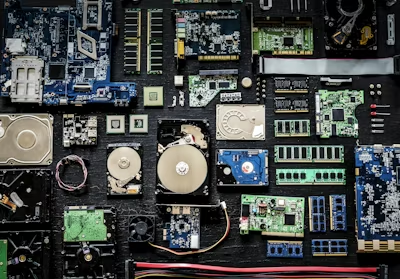
Hard drives are just one piece of the puzzle. My shop looks like a graveyard for the 1990s right now. Beige plastic everywhere. Electronics recycling is a dirty, heavy job. People dump whole server towers on my loading dock. They expect me to perform miracles.
Computer recycling isn’t just tossing a monitor in a green bin. It involves stripping motherboards by hand, pulling out valuable copper wiring, and separating highly toxic batteries. Your hands get covered in this nasty, gray grime that takes days to wash off. I scrub my knuckles with rough industrial pumice soap every single night.
The Nightmare of Old CRT Monitors
Don’t even get me started on television recycling. Those old CRT TVs? They weigh an absolute ton. They hold a massive static charge that will knock you flat on your back if you touch the wrong glass tube. I got zapped once back in 2011. Tasted pennies for a solid week. We handle them, but they are beasts.
How I Found the Right Way to Do This
I didn’t figure this out overnight. I broke a lot of expensive drill bits trying to punch holes through thick enterprise server drives. Spent a small fortune replacing ruined power tools. You learn quickly what actually works.
I always tell people to look at places like San Diego E-Waste. They handle the massive volume correctly. They never cut corners. Cutting corners gets companies sued. It destroys lives. I want my daily operation to run like My Dream E-Waste facility. Clean lines, heavy machinery, zero mistakes. Just absolute, verifiable destruction.
Keep Small Magnets Away From Me
Some guy told me he degausses his drives with a speaker magnet. I almost laughed in his face. Modern drives laugh at your little household magnets. You need thousands of gauss to scramble a modern magnetic platter. Even then? I don’t trust it unless I see the drive in pieces. Visual confirmation. Nothing else matters.
Seeing Real Lives Ruined Firsthand
I grab a black coffee. It is always cold by the time I drink it. I sit on a stack of wooden pallets and read the morning news. Another massive data breach. Always the exact same story. Some lazy IT guy left a pile of drives in an unlocked storage closet. A cleaner walked out with them in a backpack.
I hate reading that. It makes my blood boil. All that pain. Devastating identity theft. Empty bank accounts. Ruined credit scores. All because someone didn’t want to pay a professional a few bucks to shred the metal. Pure insanity.
Why You Must Demand the Proof Now
Never just hand off your gear to a random guy in a pickup truck. I’ve seen those scammers. They promise to scrap it ethically. Instead, they sell your old gear overseas with your company data still on it. Ask for the certificate of destruction. Demand it. If they hesitate for even a second, walk away.
The Legal Mess of Ignoring the Rules
Businesses are the worst offenders in this industry. A fancy law firm down the street tossed three old laptops in a generic trash dumpster last year. The cleanup cost them a fortune in fines. Huge HIPAA violations. Massive state penalties. A complete mess. But fixable.
You hire someone real. You get a legal certificate. That piece of paper is your armor. I sign off on them daily. My messy signature means that metal is dead. Gone. Dust.
Look. I am tired. My boots are incredibly heavy. I still have three massive pallets of outdated servers to tear down before I can go home to my family. But I sleep well at night. I know my clients’ deepest secrets stay permanently buried in my scrap bins.
Stop taking stupid chances with your digital life. Software fails. Cheap hammers miss the mark. If you want true security, you accept nothing less than total, physical ruin. Proper hard drive destruction is the absolute only way to sleep at night. Get it shredded. Get it done right. End of story.
FAQ
Usually between $5 and $20 per drive. It depends entirely on the volume. Worth every single penny.
Technically yes. But I hate this specific method. You miss one internal platter, and the data survives completely. Just shred it.
No. Never. SSDs use complex flash memory chips. Household magnets do absolutely nothing to them. Zero effect.
We recycle it properly. A smelter melts it down and turns it into brand new products. Nothing goes to the local landfill.
Liability. It proves you did your legal job protecting client data. Without it, you face massive government fines.


