
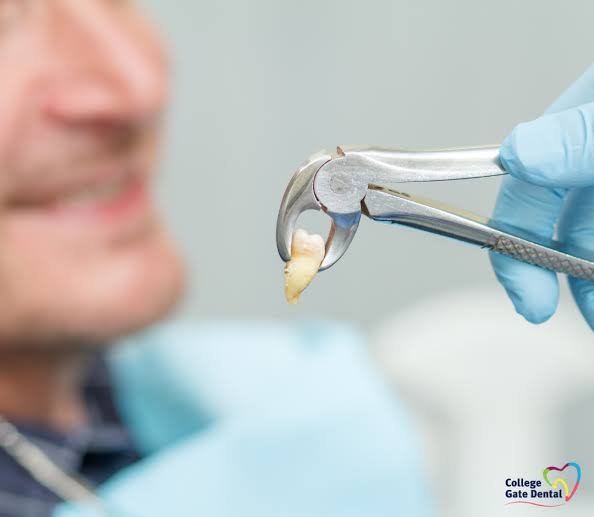

When a tooth becomes severely damaged, infected, impacted, or impossible to restore, extraction may be the safest option for protecting your overall oral health. Finding an experienced tooth extraction dentist Dublin patients can trust is important for ensuring the procedure is performed safely, comfortably, and with appropriate aftercare. At Dublin Unique Dentistry, patients can receive professional dental guidance to determine whether extraction is necessary and what treatment options may be suitable for their individual needs.
When Is Tooth Extraction Necessary?
Dentists generally try to preserve natural teeth whenever possible. However, there are situations where removing a tooth can prevent further pain, infection, or damage to surrounding teeth and tissues.
Common reasons for extraction include:
- Severe tooth decay that cannot be repaired
- Advanced gum disease causing significant tooth looseness
- A cracked or fractured tooth that cannot be restored
- Dental infections that cannot be effectively treated with other procedures
- Impacted wisdom teeth
- Crowded teeth that require removal as part of an orthodontic treatment plan
- Baby teeth that have failed to fall out normally
A consultation with a tooth extraction dentist Dublin residents can access helps determine whether extraction is the right solution or whether alternatives such as a filling, crown, root canal treatment, or other restorative procedure may save the tooth.
Types of Tooth Extraction
The extraction technique depends on the tooth’s condition, position, and surrounding bone and gum tissue.
Simple Tooth Extraction
A simple extraction is generally used when the tooth is clearly visible above the gum line. The dentist typically loosens the tooth with specialized instruments before carefully removing it from its socket.
This approach is commonly used for teeth that are significantly decayed or damaged but remain accessible.
Surgical Tooth Extraction
A surgical extraction is more complex and may be required when a tooth is impacted, broken below the gum line, or difficult to access. Wisdom teeth are a common example.
The dentist may need to make a small incision in the gum or carefully section the tooth into smaller pieces before removal. The procedure is planned according to the tooth’s position and the patient’s oral health.
What Happens During a Tooth Extraction?
Knowing what to expect can make the experience less stressful. Although every procedure is different, a typical extraction may involve several stages.
1. Dental Examination
The dentist first examines the affected tooth and surrounding tissues. Dental X-rays may be recommended to assess the tooth’s roots, bone, and nearby structures.
2. Treatment Planning
The dentist discusses whether extraction is necessary and explains available alternatives. If removal is recommended, the dentist will explain the procedure and expected recovery.
3. Local Anaesthetic
Local anaesthetic is normally used to numb the treatment area. This helps minimize discomfort during the extraction.
4. Tooth Removal
The dentist carefully loosens and removes the tooth using appropriate instruments and techniques. Surgical extractions may require additional steps depending on the tooth’s position.
5. Post-Treatment Instructions
After extraction, the dentist provides instructions for protecting the extraction site and supporting proper healing.
Benefits of Professional Tooth Extraction
Choosing an experienced tooth extraction dentist Dublin patients can rely on offers several potential advantages when extraction is genuinely required.
Relief From Persistent Dental Problems
Removing a severely damaged or infected tooth can help address the source of ongoing dental discomfort when other treatments are not appropriate.
Helps Protect Oral Health
An untreated dental infection can potentially affect surrounding tissues. Appropriate treatment and timely extraction may help prevent the problem from becoming more extensive.
Makes Space for Future Treatment
In some cases, extraction creates the necessary space for orthodontic treatment or future restorative options such as a dental bridge, denture, or implant.
Professional Treatment Planning
A dentist can assess whether extraction is actually necessary and discuss suitable options for replacing the missing tooth when appropriate.
How to Prepare for Tooth Extraction
Good preparation can make the procedure and recovery easier.
Before your appointment:
- Tell your dentist about medications and supplements you take.
- Mention any relevant medical conditions or allergies.
- Follow the eating and drinking instructions provided by your dental team.
- Arrange transportation if sedation has been recommended.
- Ask about pain relief and aftercare before the procedure.
- Discuss options for replacing the tooth if necessary.
Do not stop prescribed medication unless your dentist or doctor specifically advises you to do so.
Tooth Extraction Aftercare Tips
The first few days after extraction are particularly important for healing. Your dentist will provide personalized instructions, but general recommendations may include:
Protect the Blood Clot
A blood clot forms naturally in the extraction socket and supports healing. Avoid vigorous rinsing, forceful spitting, or disturbing the area.
Choose Appropriate Foods
Soft foods can be easier to eat during the initial recovery period. Gradually return to your normal diet as the area becomes more comfortable.
Avoid Smoking
Smoking can interfere with healing and increase the risk of complications. Avoiding tobacco after extraction is strongly recommended.
Follow Your Dentist’s Instructions
Take prescribed or recommended medication according to your dentist’s directions and attend any advised follow-up appointments.
If you experience severe or worsening pain, persistent bleeding, significant swelling, fever, or other concerning symptoms, contact your dental practice promptly.
Choosing a Tooth Extraction Dentist in Dublin
When looking for a tooth extraction dentist Dublin, consider factors such as professional experience, diagnostic capabilities, communication, emergency support, and the range of treatment options available.
Dublin Unique Dentistry can help patients understand their dental condition and make informed decisions about treatment. A thorough consultation is important because extraction is irreversible, and preserving a natural tooth may be preferable whenever it can be safely restored.
FAQs About Tooth Extraction
Is tooth extraction painful?
Modern dental techniques and local anaesthetic are designed to make the procedure as comfortable as possible. Some soreness or swelling can occur after the extraction, but your dentist can provide appropriate aftercare and pain-management guidance.
How long does it take to recover from a tooth extraction?
Initial healing commonly takes several days, although complete healing of the extraction site can take considerably longer. Recovery varies depending on the tooth, extraction technique, and individual health.
Can a missing tooth be replaced after extraction?
Yes. Depending on your oral health and individual circumstances, replacement options may include dental implants, bridges, or dentures. Your dentist can discuss the most suitable option after evaluating the extraction site.
Conclusion
A tooth extraction may be necessary when a tooth is severely damaged, infected, impacted, or otherwise unsuitable for restoration. Choosing an experienced tooth extraction dentist Dublin patients can trust helps ensure that the procedure is carefully planned, safely performed, and followed by appropriate aftercare.
If you are experiencing persistent tooth pain, swelling, infection, or problems with a damaged tooth, Dublin Unique Dentistry can help you understand your treatment options. A professional dental assessment can determine whether extraction is necessary or whether another treatment could preserve your natural tooth.


