
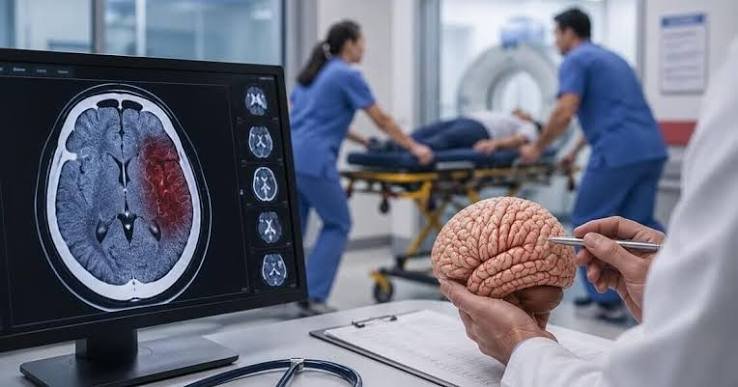

A stroke can happen suddenly and may affect movement, speech, memory, vision, balance, or other neurological functions. Getting timely medical attention is critical, but care does not necessarily end after the emergency phase. A neurologist for stroke patients plays an important role in identifying the cause of a stroke, managing neurological complications, supporting recovery, and reducing the risk of another stroke.
Stroke care often involves several stages, from emergency treatment and diagnosis to rehabilitation and long-term prevention. Working with an experienced neurological specialist can help patients and families understand their condition and develop an appropriate care plan. Advanced Associates In Neurology provides neurological expertise that can support patients who need ongoing stroke-related evaluation and management.
What Does a Neurologist for Stroke Patients Do?
A neurologist specializes in conditions affecting the brain, spinal cord, and nervous system. For stroke patients, the neurologist evaluates how the stroke has affected the brain and helps determine why it occurred.
Depending on the patient’s condition, a neurologist may:
- Evaluate neurological symptoms and complications
- Review brain imaging and diagnostic test results
- Identify potential stroke risk factors
- Help determine whether the stroke was ischemic or hemorrhagic
- Monitor recovery and neurological function
- Manage complications involving movement, speech, sensation, or cognition
- Recommend rehabilitation and supportive therapies
- Develop strategies to help prevent another stroke
Early neurological assessment can be particularly important when symptoms are new, worsening, or unexplained.
Types of Stroke Neurologists Help Manage
Ischemic Stroke
An ischemic stroke occurs when a blood vessel supplying the brain becomes blocked, reducing blood flow and oxygen to brain tissue. It is the most common type of stroke.
A neurologist may investigate potential causes such as blood clots, narrowed arteries, heart-related conditions, or other vascular risk factors. Treatment and prevention depend on the individual patient’s circumstances.
Hemorrhagic Stroke
A hemorrhagic stroke occurs when a blood vessel in the brain ruptures and causes bleeding. This type of stroke requires urgent medical attention and can involve complex neurological management.
After emergency treatment, neurological follow-up may help monitor recovery and identify lasting effects.
Transient Ischemic Attack (TIA)
A TIA, sometimes called a mini-stroke, produces temporary stroke-like symptoms. Even though symptoms may disappear, a TIA can be an important warning sign of a future stroke.
A neurologist can help evaluate possible causes and recommend appropriate preventive measures.
Benefits of Seeing a Neurologist After a Stroke
Stroke recovery is different for every person. Continued neurological care can provide several important advantages.
1. Understanding the Cause
Determining why a stroke occurred is an important part of preventing another one. A neurologist may assess medical history, imaging, laboratory findings, medications, and other relevant factors.
2. Monitoring Neurological Recovery
A stroke may affect strength, coordination, speech, memory, vision, or sensation. Regular neurological evaluations can help track changes over time and identify areas requiring additional support.
3. Managing Stroke-Related Complications
Some patients experience complications such as muscle weakness, spasticity, balance problems, headaches, seizures, or cognitive changes. A neurologist can evaluate these symptoms and determine appropriate management.
4. Supporting Secondary Stroke Prevention
Preventing another stroke is a major part of long-term care. Depending on the individual’s condition, prevention may involve managing blood pressure, cholesterol, diabetes, heart conditions, smoking, physical inactivity, or other risk factors.
What to Expect During a Stroke Neurology Appointment
A visit with a neurologist for stroke patients generally begins with a review of the patient’s medical history and previous stroke-related records.
Step 1: Medical History Review
The neurologist may ask about the timing of the stroke, symptoms, previous medical conditions, medications, family history, and lifestyle factors.
Step 2: Neurological Examination
The examination may assess:
- Muscle strength
- Reflexes
- Coordination
- Balance
- Sensation
- Speech and language
- Memory and cognition
- Vision and eye movements
Step 3: Review of Diagnostic Testing
Previous CT scans, MRI scans, blood tests, vascular studies, or cardiac evaluations may be reviewed when available. Additional testing may be recommended if necessary.
Step 4: Personalized Care Plan
Based on the findings, the neurologist can discuss treatment, rehabilitation, monitoring, and strategies for reducing future stroke risk.
Practical Tips for Stroke Patients and Families
Following a stroke, patients and caregivers can take several practical steps to support ongoing care:
- Keep an updated list of medications and medical conditions.
- Attend recommended follow-up appointments.
- Follow prescribed medication instructions carefully.
- Monitor blood pressure when advised by a healthcare professional.
- Discuss cholesterol and blood sugar management with the appropriate clinician.
- Follow rehabilitation recommendations.
- Maintain a balanced diet and appropriate physical activity when medically approved.
- Avoid smoking and discuss alcohol use with a healthcare professional.
- Report new or worsening neurological symptoms promptly.
Family members can also help by keeping track of appointments, medications, symptoms, and changes in daily functioning.
When Should You Seek Emergency Stroke Care?
A suspected stroke is a medical emergency. Warning signs can include sudden:
- Facial drooping
- Arm or leg weakness or numbness, especially on one side
- Difficulty speaking or understanding speech
- Vision problems
- Severe dizziness or loss of balance
- Severe headache with no known cause
Do not wait for symptoms to disappear. Emergency medical evaluation is essential because some stroke treatments are highly time-sensitive.
If symptoms appear suddenly, seek emergency medical care immediately rather than waiting for a routine neurology appointment.
Why Choose Specialized Neurological Care?
Stroke management can involve both immediate treatment and long-term neurological follow-up. A specialist can help patients understand their diagnosis, monitor neurological changes, and coordinate care when additional rehabilitation or medical services are needed.
At Advanced Associates In Neurology, patients can seek specialized neurological evaluation and ongoing guidance for conditions affecting the nervous system. A personalized approach can help address individual symptoms, recovery needs, and long-term neurological health.
FAQs About a Neurologist for Stroke Patients
1. Why should a stroke patient see a neurologist?
A neurologist can evaluate the effects and potential causes of a stroke, monitor neurological recovery, manage complications, and help develop strategies to reduce the risk of another stroke.
2. Can a neurologist help with stroke recovery?
Yes. A neurologist can monitor neurological recovery and recommend or coordinate appropriate rehabilitation and supportive care based on the patient’s symptoms and functional needs.
3. Should I see a neurologist after a TIA?
A TIA should be taken seriously because it may indicate an increased risk of a future stroke. Prompt medical evaluation can help identify possible causes and appropriate prevention strategies.
Conclusion
Choosing an experienced neurologist for stroke patients can be an important part of long-term stroke management. From evaluating the cause of a stroke and monitoring neurological function to managing complications and supporting secondary prevention, specialized neurological care can help patients navigate recovery with a personalized approach.
If you or a loved one has experienced a stroke or TIA, consider discussing ongoing neurological care with Advanced Associates In Neurology to better understand available evaluation and management options.


