

Starting a new business venture is certainly exhilarating, but there are always financial obstacles involved that might bring about a delay even before things really get going. This is where startup business grants come into the picture; here is a chance to obtain funds without having to worry about borrowing money or selling part of the business. In contrast to conventional loans, which require repayment at a later stage, grants are a form of funding that does not involve repaying the amount. Regardless of whether you have plans of starting a tech firm, a retail outlet, a non-profit organization, or an innovative service-based firm, you will be able to do so with ease after browsing through The Grant Portal.
Definition of Startup Business Grants
Startup business grants are financial grants issued by government departments at both federal and state level, nonprofit entities, private firms and other organizations with the purpose of promoting entrepreneurship and innovation. Such grants are intended to assist businesses in overcoming financial obstacles during their early stages of operation through the support of the development of products, recruitment, research, marketing, purchase of equipment and machinery, modernization of technology and growth of businesses.
Why Grants Are Better Than Traditional Financing
Many entrepreneurs begin by considering loans or outside investors, but grants offer unique advantages. Since grant funding generally does not require repayment, founders can invest resources directly into growing their business without increasing financial obligations. Grants also allow entrepreneurs to retain complete ownership of their company, avoiding equity dilution that often comes with investor funding. In addition, receiving a competitive grant enhances credibility, demonstrating that respected organizations believe in the company’s mission and long-term potential.
Types of Business Grants for Startup Enterprises
There are various types of grants available for startup enterprises based on what industry they operate in and the goals of their business. There are government grants that facilitate innovations, manufacturing processes, technology companies, health care institutions, agriculture, alternative energy, and research and science projects. There are corporate grants that promote the growth of small businesses and their contribution to society. Non-profit organizations usually provide grants for minorities, female entrepreneurs, veterans, rural entrepreneurs and social enterprises.
Who Can Apply for Startup Grants?
Eligibility varies depending on the organization offering the funding. Some grants are designed specifically for first-time entrepreneurs, while others focus on existing small businesses seeking expansion. Certain programs prioritize businesses located in underserved communities or companies owned by women, veterans, minorities or individuals with disabilities. Others support innovative startups with scalable business models or businesses creating measurable economic impact. Carefully reviewing eligibility requirements helps entrepreneurs focus on grants that best match their qualifications and objectives.
Competitive Grant Application Preparation
An effective grant application involves far more than simply having an innovative business proposal. It is important for the reviewers to see a well-formulated business plan, financial forecasts, market analysis and strategy. The founders must describe the use of the funds, significance of the project and its positive impact on job creation or solving important problems. Proper formatting and budget preparation will show the seriousness of the grant applicant.
Common Mistakes That Reduce Approval Chances
Many startups submit applications without fully understanding the grant’s purpose or evaluation criteria. Missing deadlines, incomplete documentation, unrealistic budgets, vague project descriptions and failure to follow instructions frequently result in rejection. Entrepreneurs should also avoid submitting generic proposals to multiple organizations without customizing each application. Every grant provider has unique priorities, and tailoring proposals accordingly significantly improves the likelihood of success while demonstrating genuine commitment to the funding opportunity.
Where to Find Startup Business Grants
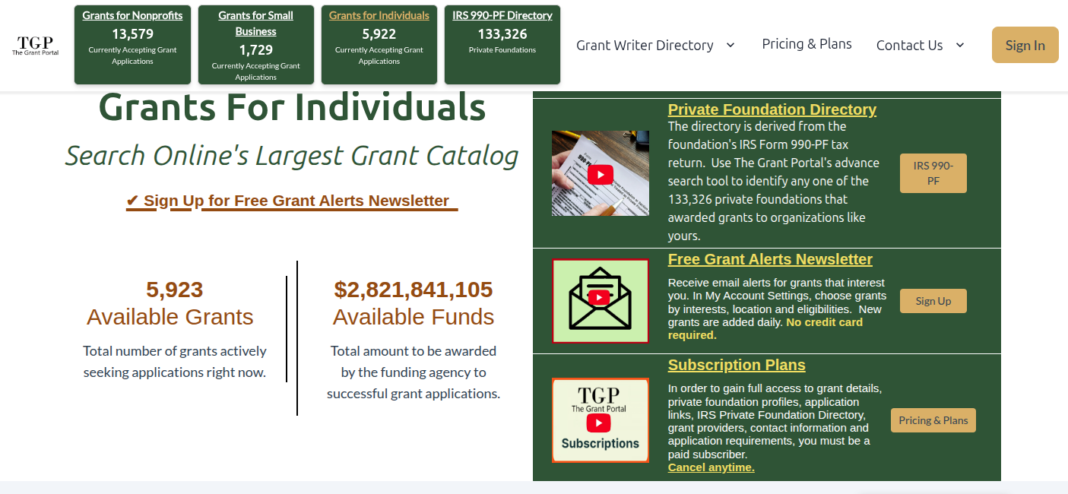
Searching for grants across numerous government agencies, foundations, and corporate websites can quickly become overwhelming. Dedicated funding platforms simplify this process by organizing thousands of grant opportunities into one searchable database. The Grant Portal helps entrepreneurs locate grants based on industry, location, business type, eligibility and funding category. By visiting The Grant Portal, startup founders can save valuable research time while discovering funding opportunities that support business growth and innovation across multiple sectors.
Tips to Increase Your Grant Success Rate
Winning grant funding often requires persistence rather than luck. Entrepreneurs should continually refine their business plans, maintain accurate financial records, update marketing materials and gather strong supporting documentation before applying. Seeking feedback from mentors, accountants or business advisors can strengthen applications and identify areas for improvement. Applying for multiple relevant opportunities throughout the year also increases the likelihood of receiving funding while helping founders become more experienced in preparing competitive proposals.
More Than Funding: The Long-Term Value of Grants
Receiving a startup grant provides benefits that extend well beyond financial assistance. Grant recipients often gain media exposure, networking opportunities, mentorship, strategic partnerships, and increased credibility with customers and investors. Many funding organizations also offer educational programs, workshops, and business development resources that contribute to long-term success. A history of receiving grants demonstrates responsible management and can strengthen future applications for larger grants, contracts, or investment opportunities.
Building a Stronger Future Through Smart Funding
Every successful business begins with a vision supported by determination and access to the right resources. Startup business grants provide entrepreneurs with valuable financial support that enables innovation, expansion and sustainable growth without increasing debt or sacrificing ownership. By researching opportunities carefully, preparing thoughtful applications, and using trusted funding resources like The Grant Portal, founders can identify grants that match their business goals and long-term strategy. Investing time in applying for startup business grants today can create opportunities that help transform promising ideas into thriving businesses while contributing to stronger communities and economic growth.
Frequently Asked Questions
1. What are startup business grants?
Startup business grants are non-repayable funding opportunities provided by governments, nonprofits, corporations and foundations to help new businesses launch and grow.
2. Do I have to repay a startup grant?
In most cases, no. Grants generally do not require repayment as long as recipients comply with the program’s terms and funding requirements.
3. Who qualifies for startup business grants?
Eligibility varies by program. Many grants support startups, small businesses, women-owned businesses, veteran-owned companies, minority entrepreneurs, rural businesses, nonprofits and innovative ventures.
4. Where can I search for startup business grants?
You can explore thousands of funding opportunities by visiting The Grant Portal, a comprehensive resource for grants across multiple industries and business sectors.
5. What documents are usually required?
Most grant applications request a business plan, executive summary, financial projections, budget, company information, project description and supporting documentation.
6. How can I improve my chances of receiving a grant?
Research eligibility carefully, tailor every proposal to the grant’s objectives, submit complete documentation, provide realistic financial information, meet deadlines and apply consistently to multiple relevant funding opportunities.


